Discover the Worlds Top Designers & Creative Professionals
Table Of Content
So if appropriate for the product and if it will help your customers, answer common questions about a specific item right on the product page. If your customer service team keeps getting asked the same questions about a product, it might be a good idea to answer them right on the product page. Here’s an example of a product page from Rosery Flower Shop offering add-ons for one of their gift sets.
Guiding Product Development
After the ideation phase, the product team should have a clear understanding of what they want to build. During the design phase, the product team will begin to create the solution to solve the client’s problem and implement concepts. After research, the product team must make sense of the data it’s collected. The aim of the analysis phase is to draw insights from the data collected during the product research phase.
It’s a wrap!
As a result, you can gather feedback and identify potential flaws, allowing you to visualize the next step in your product’s iteration. The product design process may differ across industries, but the fundamentals are the same. Below are the five key phases of the product design development process. Implementation often reveals gaps in the design (for example, bad assumptions about product usage, which are hard to predict without shipping the product). Competitive research is a comprehensive analysis of competitor products and presentation of the results of the analysis in a comparable way. Research helps product teams understand industry standards and identify opportunities for the product in a given market segment.
PRODUCT DESIGN STAGES
Typically, there are 2 approaches toward product design that a company can take. Product designers use various tools, including computer-aided design (CAD) software, prototyping tools, and 3D printers. For years, mobile apps and phone-friendly websites had limited capabilities, while the bulk of the user experience required a full computer.
Information architecture would benefit from the involvement of users in the IA development process. Product teams typically use a technique called card sorting for this purpose. Designers ask users to organize items (major features or topics of the product) into groups and assign categories to each group. This method helps you find out how users expect to see information grouped on a website or in an app. The ideation phase is a time when team members brainstorm on a range of creative ideas that address the project goals. During this phase, it’s critical not only to generate ideas but also to confirm that the most important design assumptions are valid.
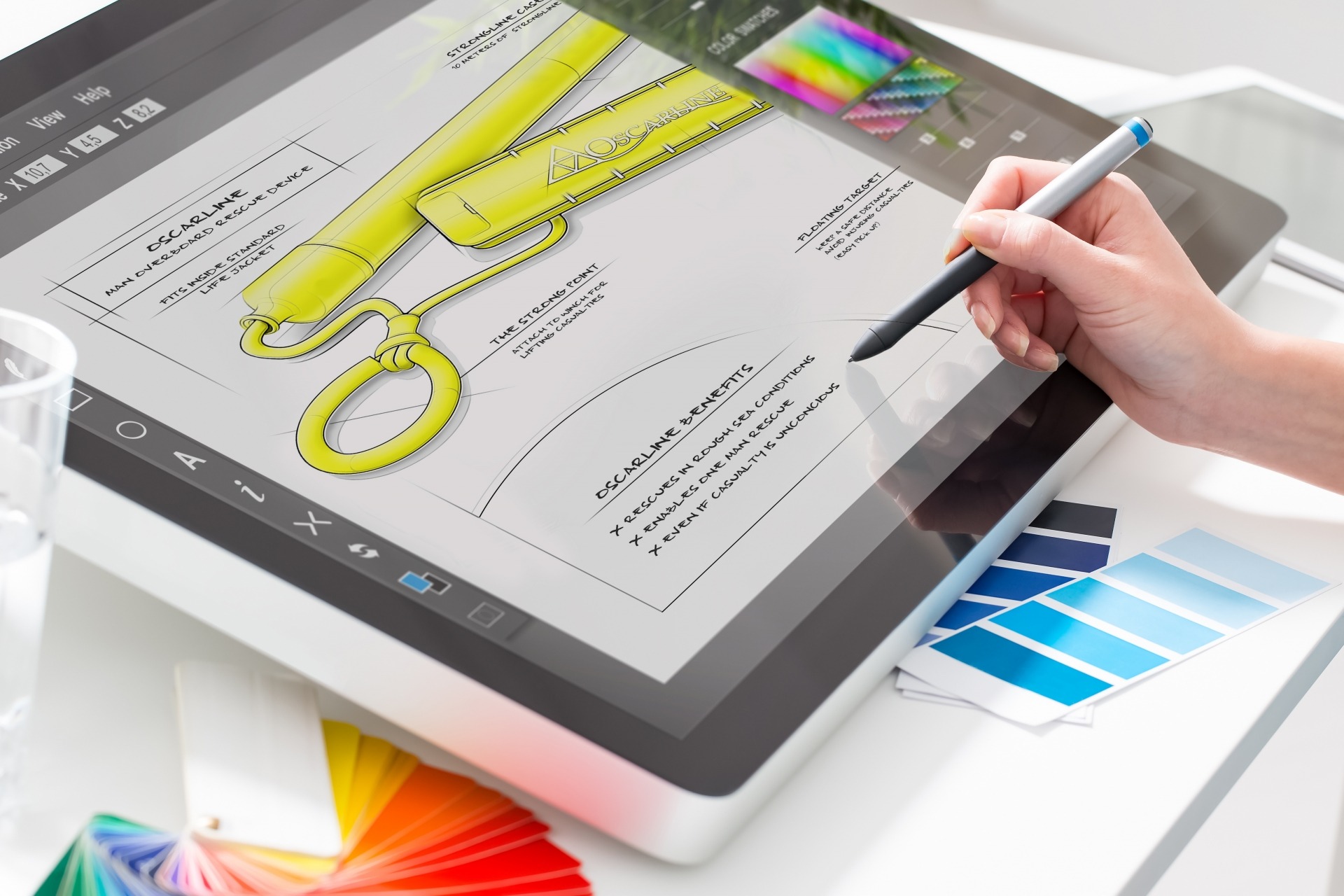
Every successful product is underpinned by a clear vision and a solid strategy. Every product must have a clearly defined purpose, and it must be functional in relation to that core purpose. It should be designed and built in a way that enables the end user to perform their desired tasks, and it should function just as the user expects it to.
What transferable skills can be applied to product design?
10 Top Product Design Companies - Built In
10 Top Product Design Companies.
Posted: Mon, 08 Apr 2024 21:47:20 GMT [source]
Take our UX Portfolio course to see if product design is right for you. Once you’ve got the design fundamentals in place, you can expand your skill set to incorporate market and competitor research, product strategy, and cross-functional collaboration. Product vision and strategy are essential for ensuring that all stakeholders are aligned and moving towards a common goal, and that the product evolves in line with business objectives.

Product designers help make products which aren’t just easy and delightful (or at least satisfying) to use, but also fine-tuned to do consistently well in the marketplace. They help define product goals, create product roadmaps (high-level summaries or 6–12-month forecasts of product offerings and features) and, ideally, help brands release successful products. Much like usability and user interface (UI) design are subsets of user experience (UX) design, UX design fits within product design. Indeed, UX designers are concerned with the entire process of acquiring and integrating a product (including aspects of branding). However, product designers extend this scope to carefully monitor their brands’ positions in the market over time. They can therefore prevent or minimize risky consequences of implementing designs, and help maximize and sustain gains.
Researching and negotiating is essential based on your qualifications and the job's requirements. Product design is the process designers use to blend user needs with business goals to help brands make consistently successful products. Product designers work to optimize the user experience in the solutions they make for their users—and help their brands by making products sustainable for longer-term business needs. Product design and user experience (UX) design both involve designing experiences that meet user needs. But while product design also covers business strategy and product goal setting, UX design stays laser-focused on the design process of creating captivating, user-centric experiences.
It’s also a great way to determine if traffic generated from certain keywords will result in actual sales. If so, you can then justify the expense and long-term effort required to target that term for organic rankings. You can attract organic traffic, and you can attract paid traffic. Search engine optimization that leads to higher rankings means you’ll show up naturally for more searches. Each click is free, but it takes time and effort to achieve rankings for valuable keywords. Like headlines and subheadings, the URLs for your product pages are another very important place to include keywords.
This leads ultimately towards creating useful features people will love using every day whether at work or home, across all types of devices including mobile apps too. Many of us have felt that spark of inspiration, but how many act on it? Constructing a product isn’t just about appearance – it’s about constructing an encounter, solving troubles, and evoking emotions. To understand what the end user wants and why they would buy your product, you can talk to them via user interviews and online surveys.
This profession provides opportunities to work in diverse industries, ensuring variety and continual learning. Moreover, it offers competitive salaries and the chance to leave a tangible impact on products many use daily. Product design is undoubtedly a rewarding career choice for those passionate about merging creativity with functionality.
The number of uses and functions a product has will impact its design. Like all skilled professions, salaries increase with experience and tenure, plus location plays a big role.
To understand product design, you need to have a good grasp of design thinking. Product design is the process of creating new or altering existing products that offer solutions to a problem in a specific market. Successful product design bridges a business’s goals and user needs.
You can also include phone and email support, and that too can be clearly presented right on your product pages. One use of product recommendations is to help shoppers find what they’re looking for if the product they’re currently looking at isn’t meeting their needs. Any store can do this using the Product Recommendations extension, which lets you create a variety of rule-based suggestions that will change depending on the shopper and other factors. For example, Cocktail Crate lets shoppers choose any three mixers they want to buy as part of a bundle.
We analyze what works well for them and where they face difficulties using existing products. In contrast, the UX team at Google focuses on using machine learning to design smarter solutions for its customers. Prioritizing user needs, preferences, and goals in the design process leads to satisfied and loyal customers, resulting in increased profits. Good product design can help differentiate you from the competition.


Comments
Post a Comment